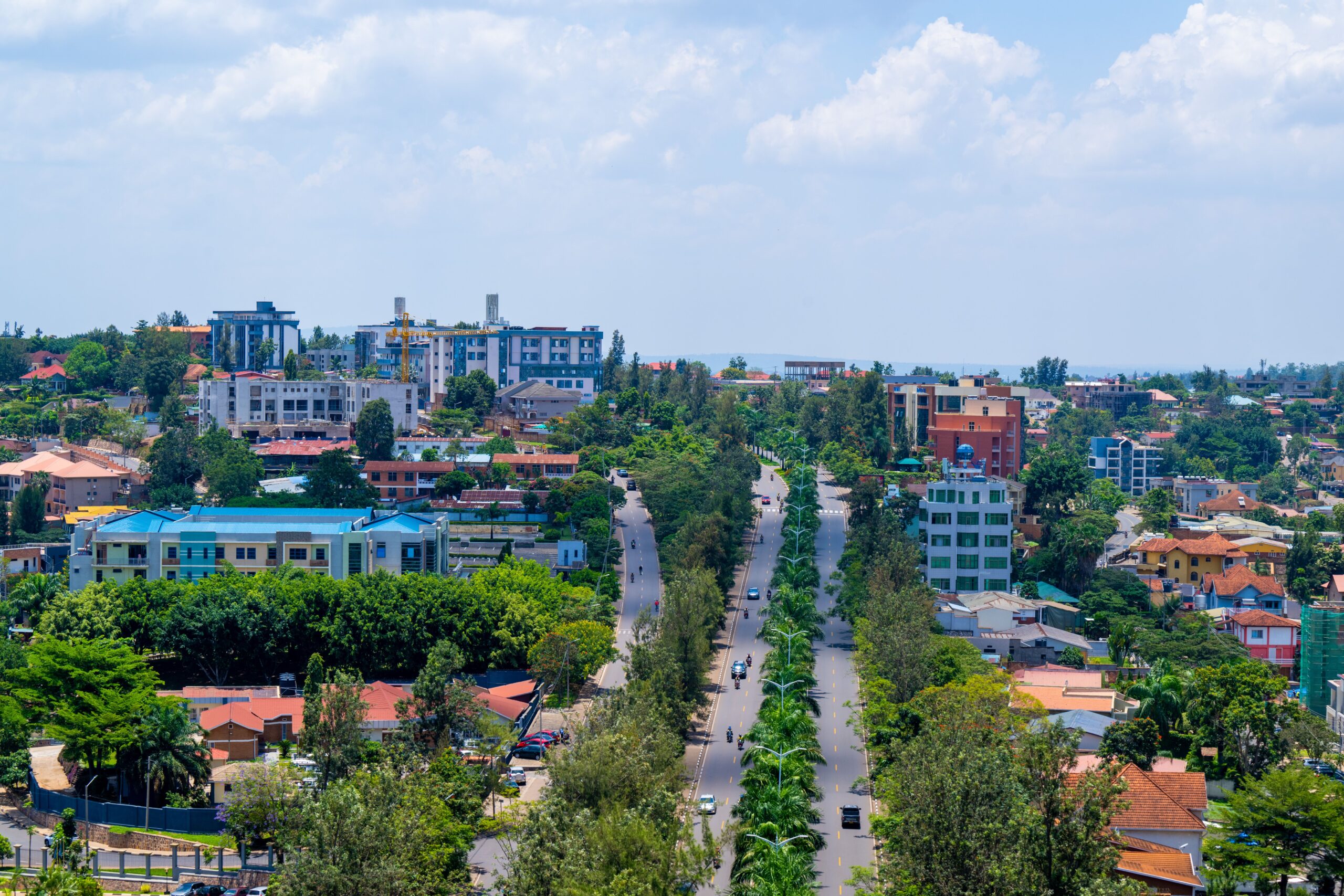
Rwanda is one of the most approachable countries in East Africa for a first-time self-drive trip. The roads connecting Kigali to the major national parks are paved, signage in and around the capital is clear, and the country’s reputation for safety and order extends to its roads. That said, a smooth trip still depends on knowing a few things that rarely make it into generic travel blogs, which permits you actually need, how road conditions change once you leave the capital, and what local driving norms look like in practice.
This guide covers everything you need to know before getting behind the wheel in Rwanda.
Documentation and Permits
Before you start the engine, sort out your paperwork:
Driving licence: Your valid national driving licence is required, and an International Driving Permit (IDP) is strongly recommended alongside it. Rwanda recognizes IDPs issued under both the Geneva and Vienna Conventions on Road Traffic. While some visitors from countries like the United States may technically be able to drive with just their national licence, carrying an IDP avoids complications at police checkpoints and with rental companies. Driving without one can result in fines of $30–$150 and may void your insurance coverage.
Temporary Import Permit: If you’re driving a foreign-registered vehicle into Rwanda — common for overlanders coming from Uganda, Tanzania, or Kenya — you’ll need a temporary import permit processed at the border. This is separate from any visa requirements and is specific to the vehicle itself.
COMESA Yellow Card: This regional third-party insurance is accepted across most East and Southern African states. If you plan to cross borders during your trip, arrange it in advance rather than scrambling at the checkpoint. It saves significant time at border crossings like Gatuna/Katuna (Uganda) and Rusumo (Tanzania).
Documents to carry in the car: Keep physical copies of your rental agreement, insurance certificate, vehicle logbook, and your passport alongside the car at all times. Police checkpoints are routine throughout Rwanda, and having documents ready makes them quick and uneventful.
Road Conditions by Region
Conditions vary more than most visitors expect once you’re outside Kigali:
Kigali city: Well-paved and roundabout-heavy. Traffic moves in an orderly way by regional standards, but motorbike taxis (motos) are everywhere and weave between lanes — give them extra space at intersections. The city is hilly, so expect steep gradients on some streets.
Kigali to Musanze (Volcanoes National Park): A paved, roughly two-hour drive on National Route 1, with mountain switchbacks as you approach the park. Fog can settle in quickly at altitude, so slow down on the descents and use fog lights if visibility drops.
Kigali to Huye and Nyungwe Forest (south/southwest): Paved but winding through hilly terrain. Morning fog is common around Nyungwe, so plan for reduced visibility if you’re driving early. The road is generally well-maintained but demands attention on the curves.
Kigali to Akagera National Park (east): The road to the park gate is in decent paved condition. Inside the park itself, expect murram (dirt) roads that can require a 4×4 during the wet season. In the dry months, a standard SUV with decent clearance handles them fine.
Rural and secondary roads: Many are red laterite or murram. These are generally fine in dry conditions but become slick and rutted after rain. Factor in extra travel time during the wet months and avoid driving these roads at night.
Seasonal Considerations
Rwanda has two rainy seasons — roughly March to May (the “long rains”) and September to November (the “short rains”). These affect unpaved roads most, turning some rural and park routes soft or rutted. If your itinerary includes a lot of driving outside Kigali, the drier months (June to August, and December to February) make for more predictable travel times.
The dry season is also the best time for gorilla trekking at Volcanoes National Park and game drives in Akagera, so road conditions and tourism overlap nicely. During the wet season, gorilla trekking permits are discounted by 30% if you stay at least two nights in Akagera or Nyungwe beforehand — worth considering if you don’t mind muddier trails.
Safety and Local Driving Norms
A few practical notes that make a real difference on the ground:
Drive on the right. Rwanda switched from left-hand to right-hand traffic in 2002, and at roundabouts, traffic already inside generally has right of way.
Speed limits are enforced. Expect 40–60 km/h in urban areas, 80 km/h on highways, and lower in or near parks. Speed cameras and police checkpoints are common — fines for infractions are issued on the spot.
Police checkpoints are routine, not suspicious. They’re a normal part of driving in Rwanda, not a sign that anything is wrong. Slow down, greet the officers, have your documents ready, and you’ll typically be waved through in under a minute.
Motorbike density in towns is high. They’re often the fastest-moving thing on the road and don’t always signal. Stay alert, especially at junctions, and check your mirrors frequently.
Night driving outside Kigali is best avoided. Rural roads are often unlit, and pedestrians, cyclists, and livestock can appear with little warning. If you must drive after dark, stick to main highways and reduce your speed significantly.
Fuel stations are reliable in towns and along main routes, but fill up before heading into remote areas near the parks. Fuel is sold by the litre and is generally unleaded. Prices are comparable to other East African countries.
Choosing the Right Vehicle
Rwanda’s main highways are among the best in East Africa — mostly paved and well-maintained. However, national park tracks are murram or dirt, and hilly routes feature sharp turns and steep inclines.
For city exploration or smooth highway driving, a compact SUV like a Toyota RAV4 is sufficient. For safaris, gorilla trekking access points, or off-the-beaten-path drives, a 4×4 is the safer choice. Popular options include the Toyota Land Cruiser Prado and Nissan Patrol — both are widely available from rental companies in Kigali and are built to handle Rwanda’s terrain.
If you’re planning a rooftop tent camping trip, most rental companies offer vehicles equipped with hardshell or softshell rooftop tents. Hardshell models are generally safer and more stable, particularly in areas where wildlife is present.
Border Crossings
If your trip extends beyond Rwanda, the main land crossings are:
- Gatuna/Katuna into Uganda
- Rusumo into Tanzania
- Rubavu into DR Congo (the latter requires additional planning given the security situation on the Congolese side)
Expect standard immigration and customs processing at each crossing. Having your Temporary Import Permit and Yellow Card ready in advance keeps the process quick. Allow extra time for weekends and holidays, when crossings can be busier.
A Practical Checklist
Before you set off, make sure you have:
- Offline maps (Maps.me or Google Maps downloaded for offline use) — connectivity drops in rural areas and inside the parks
- Cash for park fees, tolls, and fuel stations where card payment isn’t available
- A spare tyre in good condition, given wear on murram roads
- Copies of your licence, IDP, and rental paperwork, both physical and digital
- Water and snacks for longer drives between towns
- A basic first-aid kit — useful on remote routes
- A fully charged phone with a car charger
Final Thoughts
Rwanda rewards a bit of preparation. The paved routes to the main parks make self-driving genuinely manageable even for first-timers, and the permit and paperwork requirements, while specific, are straightforward once you know what to ask for.
The country’s compact size works in your favour, you can drive from Kigali to any of the three major national parks in under four hours. Whether you’re heading to Volcanoes for gorilla trekking, Nyungwe for the canopy walk, or Akagera for a classic savanna safari, having your own wheels gives you the flexibility to explore on your own schedule.
If you’re looking for a reliable car hire company in Rwanda, Kigali Car Hire is a solid choice. With over 30 years of experience helping visitors navigate Rwanda’s roads, they can help you pick the right vehicle for your route, arrange the necessary permits, and advise on current road conditions. A quick call before your trip can save you a lot of headaches on the road, regardless of who you rent from, local knowledge makes all the difference.